
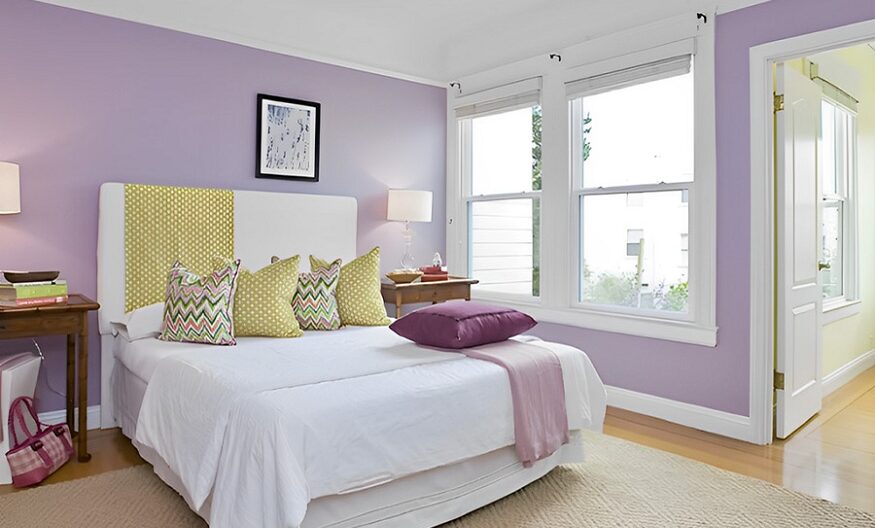
Choosing the right room colour combination is not just about trends or aesthetics. It is about how you use your space every day. Your daily routine influences your mood, energy levels, and comfort. When you align colours with your lifestyle, your home starts working for you instead of against you. A thoughtful approach to wall interior design can transform how each room feels, especially when selecting the right wall colour combination for bedroom spaces.
I am not received these posts payment from Broker (Pravesh Bravo). I asked and email many times but their is not a single reply. That is why i am removing your all paid and unpaid posts ( April to June).
If you want to be live your posts, then contact me here: thekavyasharma16@gmail.com (+919467554532 )– Kavya Sharma
Morning Energy: Bright and Uplifting Combinations
If your mornings are busy and active, your space should help you feel alert and energized. Rooms that support early routines benefit from light, refreshing colours.
Soft yellows, warm whites, and light greens work well in these areas. These shades reflect natural light and create a positive atmosphere. In kitchens or workspaces, combining white with subtle pastel tones can enhance clarity and focus.
For bedrooms, if you wake up early and need a boost, a wall colour combination for bedroom using pale peach with off white can create warmth without overwhelming the senses.
In wall interior design, keep the palette simple and bright. Avoid heavy or dark shades in areas where you need energy and movement.
Work and Focus: Calm but Stimulating Tones
For those who work or study at home, colour plays a key role in maintaining concentration. The ideal room colour combination should reduce distractions while keeping the mind active.
Shades like muted blue, sage green, and soft grey are excellent choices. They create a calm environment while still supporting focus. Pairing these with neutral accents helps maintain balance.
In home offices or study corners, use a two tone wall interior design. A slightly darker shade on one wall can act as a visual anchor, while lighter tones keep the space open.
Avoid overly bright or contrasting colours in work areas, as they can lead to visual fatigue over time.
Relaxation Evenings: Warm and Cozy Palettes
After a long day, your home should help you unwind. Evening routines benefit from warm and comforting colour schemes.
Earthy tones like beige, terracotta, and warm browns create a sense of stability and relaxation. In living areas, combining these with soft lighting enhances the cozy feel.
For a wall colour combination for a bedroom, consider pairing warm grey with muted blush or cream. This creates a soothing environment that prepares your mind for rest.
Wall interior design in relaxation zones should focus on softness. Textured finishes or matte paints can add depth without making the space feel heavy.
Night Time Calm: Soft and Sleep Friendly Shades
Bedrooms designed for rest should use colours that promote calmness and reduce mental stimulation. Cool tones are particularly effective here.
Light blue, lavender, and soft green are known to support relaxation and better sleep. These shades mimic natural elements and help slow down the mind.
A balanced wall colour combination for a bedroom could include a soft blue base with white or light grey accents. This keeps the room airy and peaceful.
Avoid strong contrasts or overly dark colours in sleeping areas, as they can create a sense of heaviness or distraction.
Multi Purpose Spaces: Flexible Colour Schemes
Many modern homes have rooms that serve multiple functions. A space might act as a living room, workspace, and relaxation zone all in one.
In such cases, a neutral room colour combination works best. Shades like off white, light grey, or beige provide a versatile base. You can then add color through furniture, décor, or accent walls.
Wall interior design for multi purpose spaces should focus on adaptability. A single accent wall in a muted tone can define the space without limiting its use.
This approach allows the room to shift with your routine throughout the day.
Personal Habits Matter Most
No two homes are the same because no two routines are identical. Some people prefer calm mornings, while others thrive in energetic environments. Your colour choices should reflect your habits rather than follow trends.
Observe how you use each room. Do you relax, work, or socialize there? The answers will guide your room colour combination decisions more effectively than any design rule.
Conclusion
Designing your home around your daily routine creates spaces that feel natural and comfortable. The right room colour combination can influence mood, improve productivity, and enhance relaxation.
By aligning wall interior design with how you live, and choosing the right wall colour combination for the bedroom and other spaces, you create a home that supports every part of your day.
When colour works with your lifestyle, your home becomes more than just a place to live. It becomes a space that adapts to you.