
The decision to invest in high-quality formal wear is often prompted by a singular, significant event—the weight of a wedding day, the gravity of a corporate gala, or the quiet confidence required for a high-stakes board meeting. Yet, many people treat their wardrobe as an afterthought, relying on off-the-rack garments that prioritize mass-market proportions over individual physiology. In an era dominated by fast fashion, there is a renewed appreciation for the precision of custom made clothing. Moving beyond the limitations of standard sizing is not merely a vanity project; it is an exercise in structural integrity and personal branding.
When you transition from buying clothes that happen to fit to commissioning garments designed for your specific frame, the difference is immediate. It is found in the way a shoulder line follows your natural contour rather than fighting against it, and how a waist is nipped to complement your posture. For those seeking wedding suits and tuxedo options, this process is even more critical. Your wedding day represents an intersection of performance, photography, and personal significance—all of which demand a garment that allows for full range of motion while maintaining a crisp, architectural aesthetic.
The Architectural Foundation of Tailoring
True tailoring is less about measuring tape and more about geometry. The human body is not a static mannequin; it is a dynamic, asymmetrical system. One shoulder is almost always slightly lower than the other; posture shifts throughout the day; weight distribution changes with movement.
When you engage in the process of creating custom made clothing, a skilled tailor does not simply record your measurements. They observe your stance. They analyze how your jacket collar sits against your neck when you reach forward, and how your trousers break over your footwear. These details form the “architecture” of the suit. By adjusting the internal canvas—the hidden structure that gives a jacket its shape—tailors can create an silhouette that remains immaculate from the first photo to the final dance. This level of technical oversight is simply absent in mass-manufactured apparel, where the goal is to create a garment that fits “enough people” to be profitable, rather than fitting one person perfectly.
Navigating the Selection of Wedding Suits and Tuxedos
Selecting the right ensemble for a wedding or formal ceremony requires balancing tradition with personal expression. The modern approach to wedding suits and tuxedo selection has evolved away from the stiff, uncomfortable rentals of the past. Today, the focus is on fabric performance, seasonal suitability, and longevity.
Fabric and Weight Considerations
The setting of your event dictates the appropriate textile choice. For a summer garden wedding, a high-twist wool or a wool-linen blend offers breathability without sacrificing the sharp lines required of a formal suit. In contrast, a winter event allows for deeper colors and richer textures, such as flannel or heavier worsted wools, which provide a luxurious hand-feel and superior drape.
Read More: Smart, Not Flashy: A Guide to Investing in Firearms
Style and Modern Formal Requirements
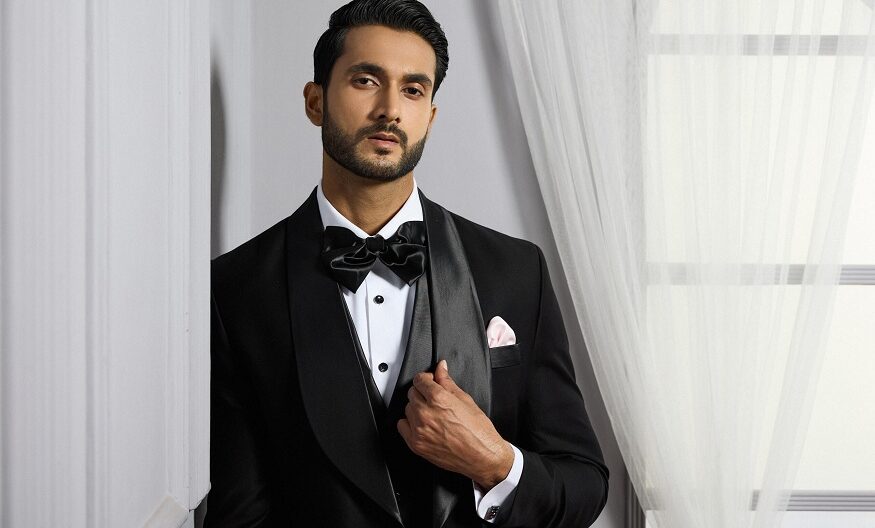
The tuxedo, once a rigid uniform, has seen a return to classic, elegant proportions. Whether opting for a traditional peak lapel or a contemporary shawl collar, the key lies in the harmony of the components. A well-constructed tuxedo utilizes silk facings that catch the light in specific, controlled ways, creating a visual depth that synthetics cannot replicate. When you work with a professional to curate custom made clothing, you aren’t just picking a color; you are selecting the density of the weave, the width of the lapel, and the specific taper of the trouser leg to ensure the entire ensemble functions as a cohesive unit.
The Role of Personal Proportion in Garment Longevity
One of the most persistent myths in the apparel industry is that a suit is a static purchase. On the contrary, a high-quality garment is a living piece of your wardrobe that should accommodate the subtle shifts in your physique over time. A suit built with generous seam allowances and a high-quality, full-canvas construction can be adjusted by a master tailor years after its initial creation.
This is the primary economic argument for moving away from disposable fashion. When you commission wedding suits and tuxedo pieces that are built to last, you are essentially investing in a foundation that can be updated. Changing the buttons, slightly adjusting the waist, or tapering the jacket length can breathe new life into a garment that would otherwise have been discarded. By prioritizing quality over quantity, you create a core wardrobe that serves you for decades rather than seasons.
Cultivating a Professional Aesthetic
In the professional realm, the suit functions as a tool for communication. It signals a commitment to detail and a respect for the environment in which you operate. Whether you are leading a presentation or attending a high-level networking event, your attire creates a subconscious narrative.
Read More: Prayer That Moves Mountains: Cultivating a Vibrant Prayer Life
A garment that is improperly fitted—sleeves that are too long, a jacket that pulls at the button, or trousers that pool around the ankles—creates a visual distraction. It suggests a lack of attention to detail that can undermine your professional presence. Conversely, wearing custom made clothing allows the focus to remain entirely on your ideas and your interactions. When the garment fits perfectly, you stop thinking about your clothes and start focusing on your objectives. This is the hallmark of sophisticated, intentional style.
Evaluating Quality: What to Look for Beyond the Brand
When searching for the right partner to help you build your wardrobe, it is easy to be swayed by names or luxury marketing. However, the true quality of a tailor or clothier is found in their process.
Look for providers who prioritize an iterative fitting process. The first fitting should be a “basted” stage—where the garment is held together with temporary white thread—allowing the tailor to make structural changes before the final sewing. This ensures that the suit is shaped to your body rather than forcing your body into a pre-shaped garment.
Furthermore, examine the quality of the internal components. High-quality formal wear should feature a natural horsehair canvas rather than a synthetic “fused” interlining. The canvas allows the chest of the jacket to mold to your body over time, providing a fit that actually improves with age. If you are discussing wedding suits and tuxedo options with a potential provider, ask them about their canvas construction and the origin of their fabrics. A professional will be eager to explain the technical benefits of their materials, as these choices are what differentiate a mediocre suit from a heirloom-quality piece.
Creating a Cohesive Wardrobe Strategy
Building a custom wardrobe does not happen in a single afternoon. It is a process of curation. Start with the essentials—a versatile, well-tailored suit that can be dressed up for formal events or down for business contexts. Once you have a foundational piece, you can expand into specialized categories like dedicated wedding suits and tuxedo options or seasonal outerwear.
This methodical approach prevents the “closet clutter” that occurs when we buy trendy pieces that don’t coordinate with the rest of our clothing. By working with a professional who understands your lifestyle, your climate, and your aesthetic goals, you ensure that every addition to your wardrobe has a clear purpose.
Ultimately, the goal of wearing custom made clothing is to simplify your life. It removes the guesswork from dressing and ensures that every time you step out the door, you are wearing an ensemble that supports your personal and professional ambitions. The time and consideration invested in this process are returned in the form of increased confidence, a more efficient daily routine, and a style that is undeniably, characteristically your own.