
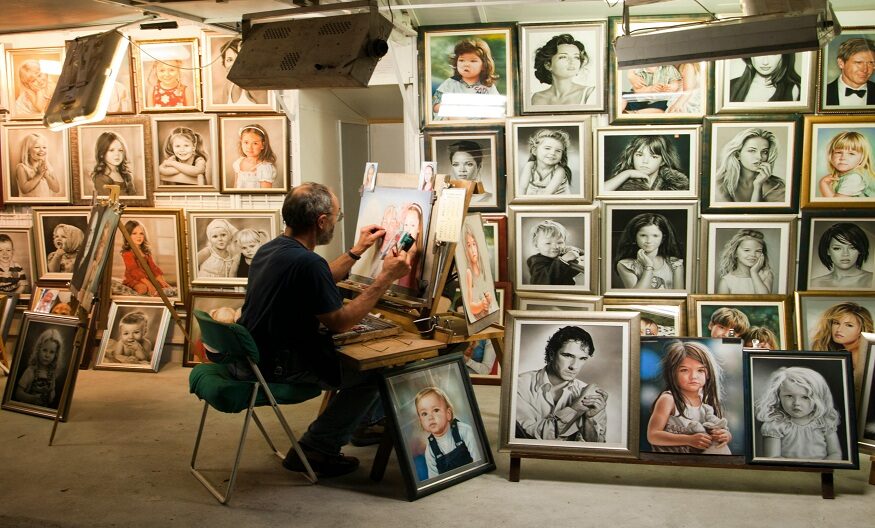
Art has always held deep cultural, emotional, and financial value. Whether it is a centuries-old painting, a modern sculpture, or a carefully curated private collection, each piece tells a story and represents a significant investment. However, with this value comes risk. Damage, theft, and unforeseen disasters can threaten even the most well-protected artworks. This is where art insurance becomes essential, offering a structured way to safeguard these treasures while preserving their long term worth.
Understanding how protection works for fine art is crucial for collectors, galleries, and institutions alike. From private homes to public exhibitions, combining proper coverage with strong museum security practices ensures that valuable pieces remain protected against a wide range of potential threats.
Understanding the Importance of Art Insurance
Art insurance is a specialized form of coverage designed to protect valuable artworks from loss, damage, or theft. Unlike standard property insurance, which may offer limited coverage, this type of protection accounts for the unique nature of fine art. Each piece can have fluctuating value, historical significance, and fragile materials that require tailored policies.
Collectors often underestimate the risks associated with owning valuable art. Even minor incidents such as water damage or improper handling can significantly reduce the value of a piece. In more serious cases, fire or theft could result in a complete loss. Having art insurance ensures that the financial impact of such events is minimized, allowing owners to recover or restore their collections.
This form of coverage is not limited to museums or galleries. Private collectors, corporate offices, and even individuals with a few valuable pieces can benefit from it. As art continues to gain recognition as an investment asset, the need for proper protection has become more important than ever.
Common Risks Faced by Art Collections
Artworks are vulnerable to a variety of risks that extend beyond simple theft. Environmental factors play a major role in the preservation of paintings and sculptures. Humidity, temperature fluctuations, and exposure to light can cause gradual deterioration that may go unnoticed until significant damage has occurred.
Transportation is another critical point of vulnerability. Moving artwork between locations for exhibitions or sales introduces risks such as accidental damage or loss. Even with professional handling, unexpected incidents can occur during transit.
Natural disasters also pose a serious threat. Floods, earthquakes, and fires can destroy entire collections within minutes. While museum security systems are designed to prevent unauthorized access and theft, they cannot always prevent environmental or structural damage.
By addressing these risks through comprehensive coverage, art insurance provides peace of mind and financial protection against both predictable and unexpected events.
Read More: Room Colour Combination Ideas Based on Daily Routines: Designing Around How You Live
How Coverage Works for Paintings and Sculptures
One of the defining features of art insurance is its ability to offer tailored coverage based on the specific needs of each piece. Paintings and sculptures often require different considerations due to their materials, size, and display conditions.
Policies typically include protection against accidental damage, theft, vandalism, and certain environmental risks. In many cases, coverage can be extended to include restoration costs, which are essential for maintaining the value and integrity of damaged artwork.
Valuation is a key component of coverage. Unlike standard items, the value of art can change over time based on market trends, artist recognition, and historical significance. Regular appraisals ensure that the insured value reflects the current market, preventing underinsurance or disputes in the event of a claim.
Another important aspect is location-based coverage. Whether a piece is displayed in a home, stored in a facility, or loaned to a gallery, art insurance policies can adapt to different environments and conditions.
The Role of Museum Security in Art Protection
While financial coverage is vital, physical protection remains equally important. Museum security plays a critical role in safeguarding artworks from theft, vandalism, and unauthorized access. Modern systems combine advanced technology with trained personnel to create a comprehensive security framework.
Surveillance cameras, motion detectors, and access control systems are commonly used to monitor exhibition spaces and storage areas. These tools help deter potential threats and provide real-time monitoring of valuable collections.
Security personnel are trained to handle various situations, from crowd control to emergency response. Their presence adds an additional layer of protection, ensuring that artworks remain safe even in high-traffic environments.
In addition to these measures, many institutions implement strict handling protocols. Staff and visitors must follow guidelines designed to minimize the risk of accidental damage. Together, these practices complement art insurance by reducing the likelihood of incidents that could lead to claims.
Protecting Private Collections at Home
Not all valuable art is displayed in public spaces. Many collectors keep their pieces in private homes, where risks can be different but equally significant. Residential environments may lack the advanced museum security systems found in galleries, making additional precautions necessary.
Homeowners can enhance protection by installing alarm systems, climate control solutions, and secure display areas. Limiting exposure to direct sunlight and maintaining stable humidity levels can help preserve the condition of artworks over time.
Art insurance policies for private collections often include coverage for items stored at home as well as those temporarily moved for exhibitions or restoration. This flexibility ensures continuous protection regardless of location.
Collectors are also encouraged to maintain detailed records of their pieces, including photographs, purchase receipts, and appraisal documents. These records are invaluable when filing claims or verifying ownership.
Read More: End-to-End Supply Chain Solutions: Why Integration Beats Fragmentation in 2026
Coverage for Exhibitions and Transportation
Art is frequently moved between locations for exhibitions, auctions, and private viewings. Each transfer introduces new risks that must be carefully managed. Specialized coverage within art insurance policies addresses these challenges by extending protection during transit and temporary display.
Professional art handlers and transport services are often used to minimize risks. These experts are trained in packing, loading, and transporting delicate items safely. Even with these precautions, having insurance coverage ensures that any unforeseen damage or loss can be addressed quickly.
Temporary exhibition spaces may also require additional security measures. Coordinating with venue managers to ensure adequate museum security systems are in place helps protect artworks during public display.
By combining professional handling with comprehensive coverage, collectors and institutions can confidently share their collections with a wider audience.
Why Accurate Valuation Matters
Determining the value of artwork is not always straightforward. Market conditions, artist reputation, and rarity all influence pricing. Regular appraisals are essential to ensure that art insurance policies reflect current values.
Underestimating the value of a piece can lead to insufficient coverage, leaving owners vulnerable in the event of a loss. On the other hand, overestimating value may result in higher premiums without added benefit.
Working with qualified appraisers provides an accurate assessment of each piece. These professionals consider various factors, including provenance, condition, and market demand. Updated valuations also help streamline the claims process, reducing delays and disputes.
Maintaining proper documentation supports this process. Certificates of authenticity, previous sales records, and exhibition history all contribute to a comprehensive valuation profile.
Restoration and Conservation Support
One of the unique aspects of art insurance is its focus on restoration and conservation. Unlike other types of property, damaged artwork can often be repaired or restored to preserve its value and appearance.
Policies may cover the cost of professional restoration services, which can be extensive depending on the nature of the damage. Conservators use specialized techniques to repair paintings, stabilize sculptures, and address environmental damage.
In addition to financial support, insurance providers often work with networks of trusted experts. This ensures that restoration is carried out by qualified professionals who understand the importance of maintaining authenticity.
This aspect of coverage highlights the difference between standard insurance and art insurance. The goal is not just compensation, but preservation of cultural and artistic value.
Choosing the Right Coverage for Your Collection
Selecting the right policy requires careful consideration of several factors. The size and value of the collection, the type of artwork, and the level of risk exposure all play a role in determining appropriate coverage.
Collectors should evaluate their specific needs and consult with professionals who specialize in art protection. Understanding policy terms, coverage limits, and exclusions helps avoid surprises in the event of a claim.
It is also important to integrate insurance with physical security measures. While museum security systems provide protection against immediate threats, insurance offers financial support for recovery. Together, they create a comprehensive strategy for safeguarding valuable assets.
Regular reviews of policies ensure that coverage remains aligned with changes in the collection. As new pieces are acquired or values shift, updates may be necessary to maintain adequate protection.
Preserving Value Through Protection
Art is more than a financial investment. It represents creativity, history, and personal expression. Protecting these works requires a thoughtful approach that combines financial safeguards with physical security measures.
Art insurance plays a vital role in this process, offering tailored coverage that addresses the unique risks associated with paintings, sculptures, and collections. When paired with strong museum security practices, it creates a robust defense against both common and unexpected threats.
For collectors, galleries, and institutions, investing in proper protection ensures that valuable artworks can be enjoyed for generations to come. By understanding the importance of coverage and taking proactive steps to reduce risk, it is possible to preserve both the beauty and value of art in an ever-changing world.